

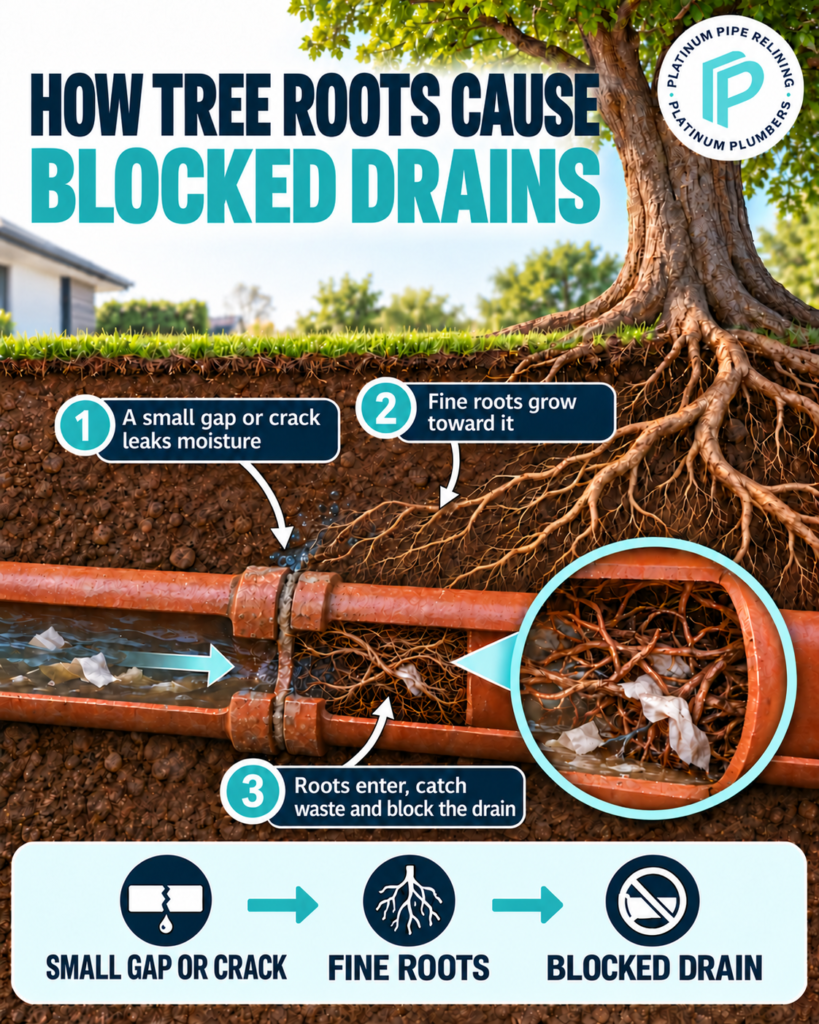
A drain may seem to block without warning, but tree-root problems usually develop slowly. A fine root follows moisture escaping from a small gap, crack or failed joint. Once inside, it grows, catches waste and gradually restricts the pipe. That is why a drain can be cleared, work normally for a while and then block again. Understanding the sequence helps homeowners choose a repair that addresses the damaged pipe, not just the material sitting inside it.
Tree roots do not break into a sound pipe
Tree roots are persistent, but they generally need an existing opening to enter a drain. Older clay pipes can develop small cracks, joints can separate as the ground moves, and seals can deteriorate over time. Even a very small opening can release moisture and nutrients into the surrounding soil. Fine feeder roots grow toward that moisture and may find their way through the gap.
Sydney Water’s guidance on wastewater blockages explains that tree roots can enter small cracks in wastewater pipes as they seek nutrients, then continue growing inside the pipe and slow drainage. This is why removing the root mass may restore flow without fixing the opening that allowed the roots to enter.
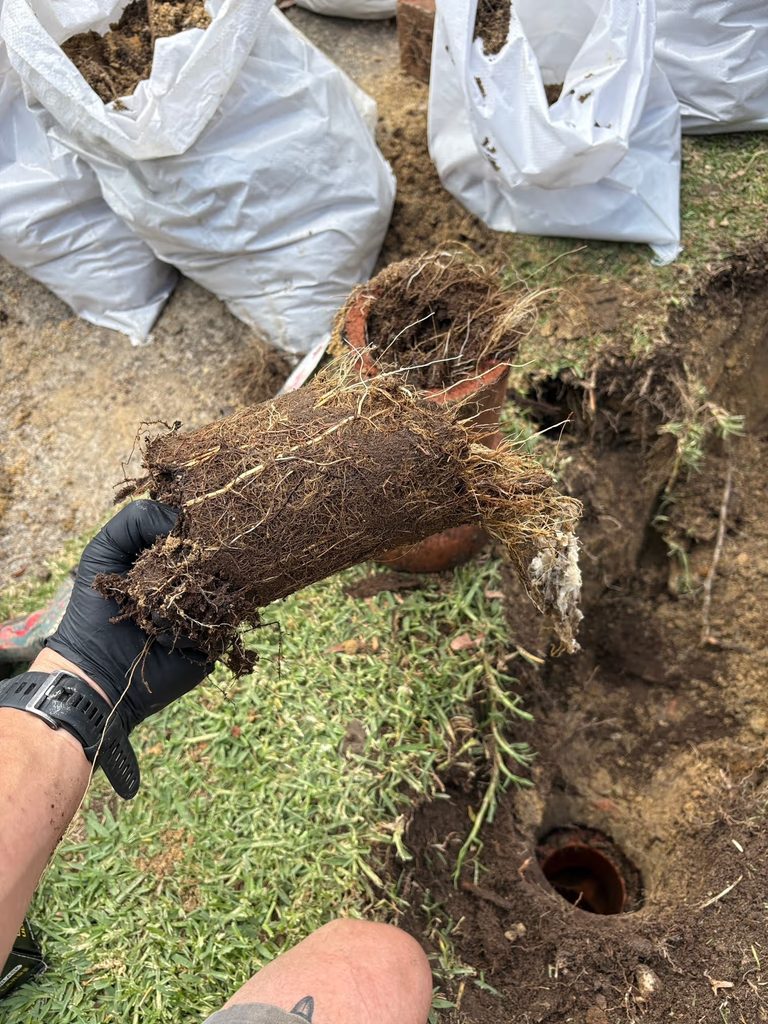
How the blockage develops
The process usually starts with one or two fine roots. Inside the pipe, those roots have reliable access to water and nutrients, so they branch and thicken. Toilet paper, grease and other waste can then collect around the root mass. Flow becomes restricted, the pipe stays wetter and the blockage grows faster.
Stage 1: a gap or small crack releases moisture
The original fault might be hard to see from above ground. It could be a hairline crack, a displaced joint or a section that has lost its seal. The important point is that the pipe is no longer watertight.
Stage 2: fine roots grow toward the opening
Roots seek the moisture in the surrounding soil. They do not need a wide break. A narrow route can be enough for fine roots to enter.
Stage 3: roots thicken and catch waste
Once inside, roots spread through the pipe. Waste snags on the network of roots, reducing the space available for water to pass.
Signs tree roots may be affecting your drain
Common warning signs include a drain that repeatedly blocks, gurgling toilets, slow drainage from several fixtures, unpleasant odours and water rising in another fixture when a toilet is flushed. Homes with established trees and older drainage are more exposed, but the symptoms still need to be confirmed because grease, foreign objects and collapsed pipework can cause similar problems.
Why clearing the roots may only be temporary
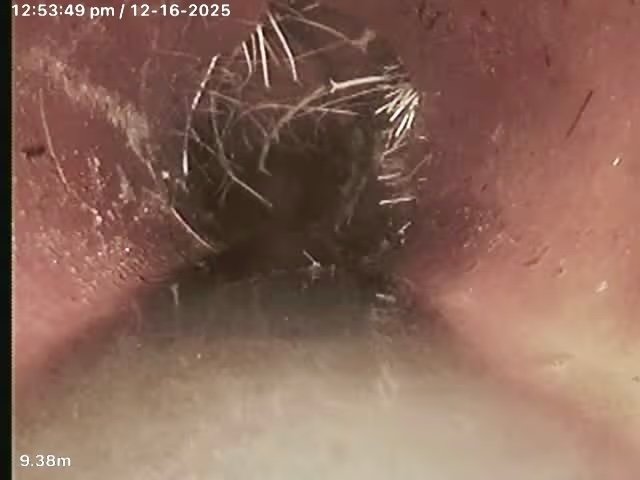
High-pressure water jetting or mechanical cutting can remove the root mass and restore flow. That can be an important first step, but it does not automatically seal the opening in the pipe. If the gap or crack remains, roots may return. A recurring blockage deserves a camera inspection rather than repeated clearing without a diagnosis.
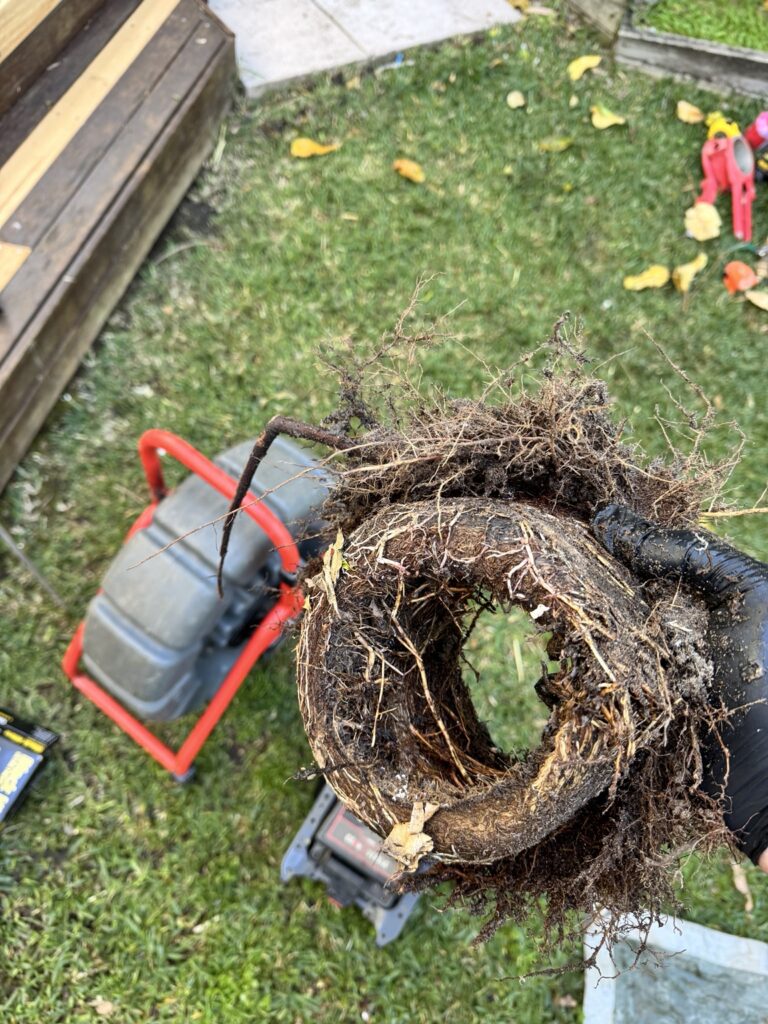
How a CCTV drain inspection helps
A CCTV drain camera shows the inside of the pipe and records where a problem sits along the line. It can help identify root intrusion, cracked sections, displaced joints, corrosion, accumulated waste and changes in pipe alignment. The footage also helps a plumber decide whether the pipe can be repaired locally, relined or needs excavation.
Can a root-damaged drain be relined?
Pipe relining can be an effective option when the existing pipe still has enough structural integrity and suitable access is available. The damaged line is cleaned and prepared, then a resin-saturated liner is installed and cured inside it. This forms a new sealed surface across cracks and joints. Relining is not right for every pipe, particularly if the line has collapsed or lost its shape, so the camera inspection comes first.
Stop treating the symptom
If the same drain keeps blocking, the useful question is not only what is blocking it. The better question is why the material keeps collecting in that location. Tree roots are often the visible symptom. The damaged joint, crack or pipe section is the underlying cause.
Platinum Plumbers & Pipe Relining provides blocked drain clearing, CCTV inspections and pipe relining across Sydney’s Northern Beaches and North Shore. If your drain is slow, gurgling or repeatedly blocked, call 0421 637 410 to arrange an inspection.