

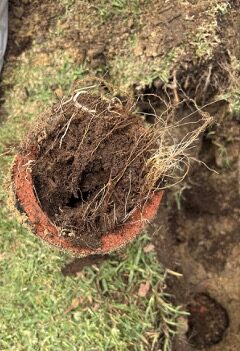
If the same drain keeps blocking, clearing it repeatedly is treating the symptom rather than fixing the underlying problem.
Recurring blockages are often caused by tree roots, damaged pipework, grease build-up or a section of pipe that is not draining correctly. A plunger, drain snake or chemical cleaner may restore flow temporarily, but the blockage will usually return until the actual cause is identified.
Here are the most common reasons a drain keeps blocking and what is required to fix it properly.
Why does my drain work temporarily after being cleared?
Some drain-clearing methods only create a small opening through the blockage. Water begins flowing again, but grease, roots, waste or debris remain inside the pipe.
As more material collects around the obstruction, the opening becomes restricted and the drain blocks again. This may happen within days, weeks or months, depending on the cause.
A recurring blockage usually requires professional drain cleaning followed by a CCTV drain inspection.
1. The original blockage was not completely removed
A plunger, handheld drain snake or chemical cleaner may shift part of a blockage without removing everything from the pipe.
This is particularly common when the obstruction contains:
-
Grease and cooking oil
-
Hair and soap residue
-
Wet wipes
-
Sanitary products
-
Food waste
-
Tree roots
-
Hardened deposits
If material remains attached to the pipe, it creates a rough surface that catches more waste. The drain may appear fixed at first, but the blockage gradually forms again.
Professional high-pressure water jetting can clean the inside of the pipe more thoroughly than most household drain-clearing methods.
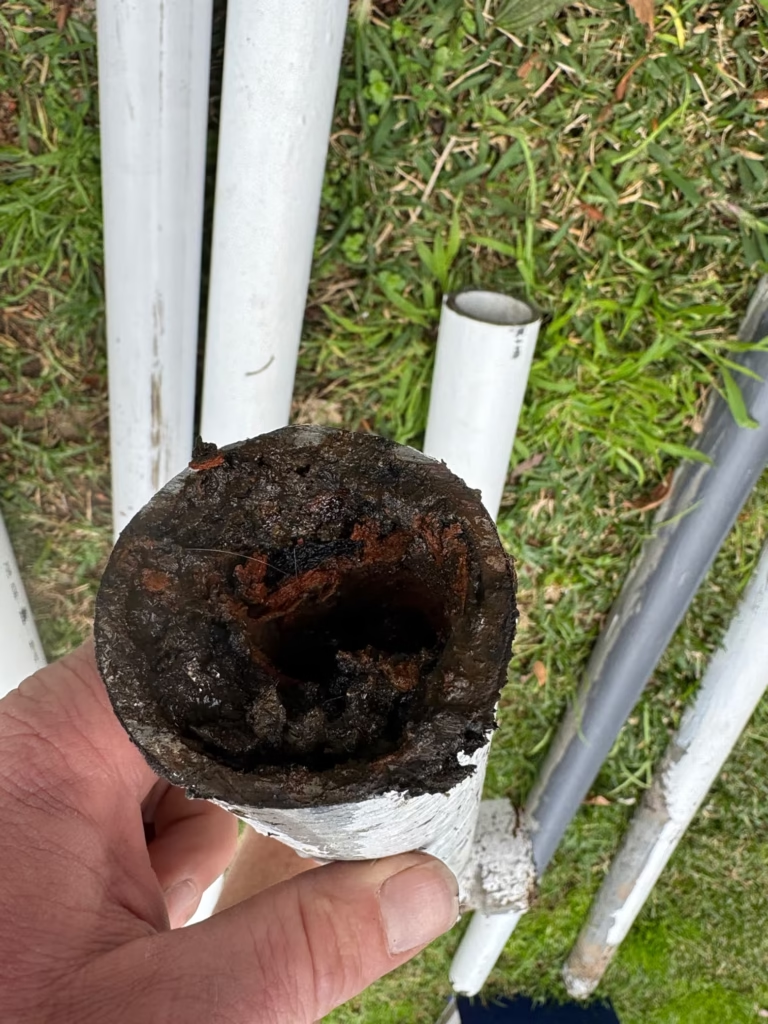
2. Tree roots have entered the pipe
Tree roots are one of the most common causes of recurring blocked drains across Sydney’s Northern Beaches and North Shore. While our green, leafy tree lined suburban streets might look beautiful, the roots from these trees can do serious damage to pipes underground.
Roots are naturally attracted to moisture and may enter drainage pipes through existing cracks, loose joints or damaged connections. Once inside, they continue growing and trap toilet paper, waste and other debris.
Cutting the roots may restore flow, but it does not seal the opening that allowed them into the pipe. If the damaged section remains untreated, the roots can grow back and cause another blockage.
A CCTV drain camera can locate the entry point and determine the extent of the damage. Depending on the condition of the pipe, a long-term solution may involve pipe relining, localised repair or pipe replacement.
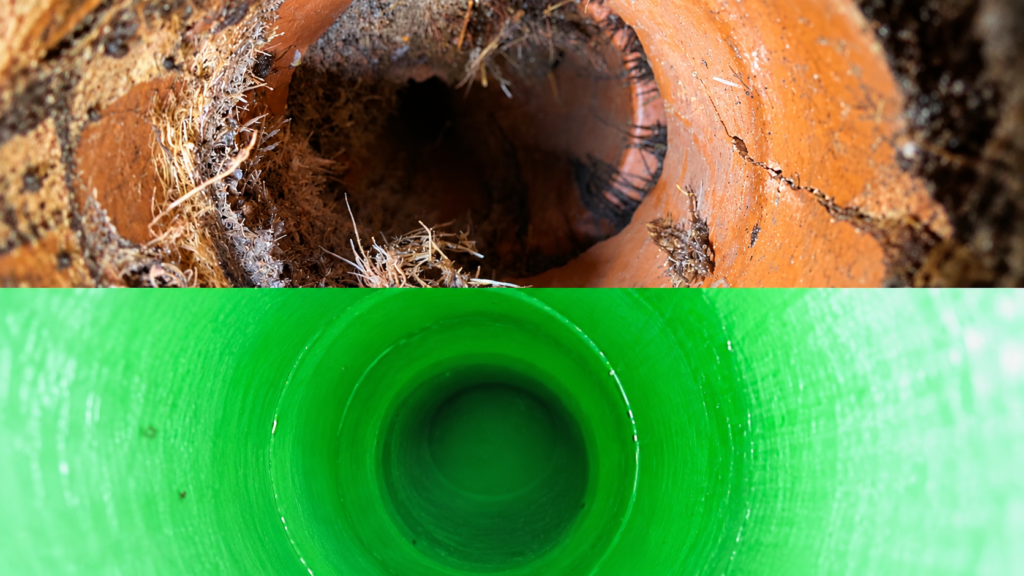
3. The pipe is cracked, broken or misaligned
A damaged drainage pipe may continue blocking even after it has been cleaned.
Cracks, displaced joints and broken sections can restrict the pipe or create edges that catch waste. Surrounding soil may also enter through the damaged area, while water leaking from the pipe can attract further root growth.
Common causes of damaged pipes include:
-
Ground movement
-
Ageing pipe materials
-
Tree-root pressure
-
Poor installation
-
Heavy vehicles or construction above the pipe
-
Soil erosion
-
Previous excavation work
Because this damage is underground, it cannot be diagnosed accurately from the symptoms alone. A CCTV inspection allows the plumber to see the internal condition of the pipe and identify the exact location of the problem.
4. The drain has insufficient fall or a low point
Drainage pipes rely on gravity to move wastewater away from the property. If a pipe has insufficient fall, has moved out of position or contains a low section, water and waste may collect instead of flowing away.
This low section is sometimes referred to as a belly in the pipe.
Waste sitting in the low point can gradually form a blockage. The drain may be cleared successfully, but it will continue blocking because the underlying alignment problem remains.
Pipe relining can repair cracks and damaged sections, but it cannot always correct a significant fall or alignment problem. In these cases, excavation and pipe replacement may be required.
5. Grease, soap and organic material are building up
Kitchen, bathroom and laundry drains can become restricted by material that builds up on the internal walls of the pipe.
Common examples include:
-
Cooking oil and grease
-
Food scraps
-
Hair
-
Soap residue
-
Shampoo and conditioner
-
Laundry lint
-
Dirt and sediment
Grease is particularly problematic because it cools and hardens inside the drainage system. Other waste then sticks to it, gradually reducing the pipe’s capacity.
Avoid pouring fats, oils or food scraps down the sink. Drain strainers can also help prevent hair and larger particles from entering the system.
If the blockage continues returning despite changing how the drains are used, the pipe should be professionally inspected.
6. Wipes or foreign objects are entering the drain
Toilets are designed for human waste and toilet paper. Wet wipes, paper towels, sanitary products and other foreign objects do not break down in the same way.
Even products labelled as flushable can remain intact long enough to catch on joints, roots or damaged sections of pipe.
A single item may pass through a healthy drainage system without an obvious problem. However, repeated flushing can create a dense obstruction, particularly when the pipe already contains damage or root intrusion.
If the same toilet or sewer line keeps blocking, a CCTV inspection can determine whether foreign objects are the main problem or whether they are catching on an existing pipe defect
7. The blockage is further along the drainage system
The fixture where you notice the problem is not always where the blockage is located.
For example, a toilet may appear to be blocked when the obstruction is actually further along the main sewer line. In apartments, duplexes and properties with shared drainage, the blockage may also affect more than one residence.
Signs that the obstruction may be in a main drainage line include:
-
Several fixtures draining slowly
-
Toilets and floor wastes gurgling
-
Water rising in a shower or floor drain when a toilet is flushed
-
Wastewater backing up at the lowest fixture
-
Outdoor overflow points spilling
-
Unpleasant drain smells
-
Multiple blockages occurring at the same time
These symptoms should be investigated promptly. Continuing to use water may cause wastewater to overflow inside or around the property.
Why a CCTV drain inspection matters
Repeatedly clearing a drain without inspecting it can become expensive and frustrating.
A CCTV drain inspection allows a plumber to examine the inside of the pipe and identify:
-
Tree-root intrusion
-
Cracks and fractures
-
Displaced joints
-
Corrosion or deterioration
-
Foreign objects
-
Grease and sediment build-up
-
Low or poorly aligned sections
-
Collapsed pipes
-
The location and depth of the problem
Camera footage helps determine whether the drain only requires cleaning or needs a structural repair.
Without an inspection, there is a risk of repeatedly paying to clear the same blockage without resolving its cause.
Will high-pressure water jetting stop the blockage from returning?
High-pressure water jetting can remove roots, grease, sludge and other material from inside a drain. It is often more effective than equipment that simply punches a hole through the blockage.
However, jetting does not repair a cracked or damaged pipe.
If roots have entered through a broken joint, they can return after being cut away. Similarly, waste can continue catching on a displaced or collapsed section.
For recurring blockages, water jetting should usually be combined with a CCTV inspection so the condition of the cleaned pipe can be assessed.
Can pipe relining fix a drain that keeps blocking?
Pipe relining can provide a long-term repair for certain cracked, leaking or root-damaged pipes without excavating the entire line.
The process involves installing a resin liner inside the existing pipe. Once cured, the liner creates a new pipe within the old one and seals cracks, gaps and damaged joints.
Pipe relining may be suitable when:
-
Tree roots repeatedly enter through cracks or joints
-
The pipe is structurally repairable
-
Excavation would damage paving, landscaping or structures
-
Access to the damaged pipe is difficult
-
A localised section or longer pipe run requires repair
Relining is not suitable for every drainage problem. Severely collapsed pipes, major alignment issues and incorrect pipe fall may require excavation and replacement.
A CCTV inspection is required before recommending the correct repair.
When should you call a plumber?
Arrange a professional inspection if:
-
The same drain has blocked more than once
-
Several fixtures are draining slowly
-
The toilet or floor waste is gurgling
-
Wastewater is backing up
-
You can smell sewage around the property
-
Tree roots have previously been removed
-
The blockage returns shortly after being cleared
-
An outdoor overflow point is spilling
-
You suspect the pipe is cracked or damaged
Avoid repeatedly using aggressive chemical drain cleaners. They may not reach the actual blockage, can damage some plumbing materials and will not repair structural pipe problems.
Recurring blocked drain repairs across Sydney’s Northern Beaches and North Shore
Platinum Plumbers & Pipe Relining provides blocked drain diagnosis and repair services across Sydney’s Northern Beaches and North Shore.
Our services include:
-
High-pressure water jetting
-
CCTV drain inspections
-
Tree-root removal
-
Drain locating
-
Pipe relining
-
Localised pipe repairs
-
Sewer and stormwater repairs
-
Emergency blocked drain services
With more than 25 years of plumbing experience, we identify why the drain keeps blocking and recommend a suitable long-term solution.
Call Platinum Plumbers & Pipe Relining on 0421 637 410 to arrange a blocked drain inspection.